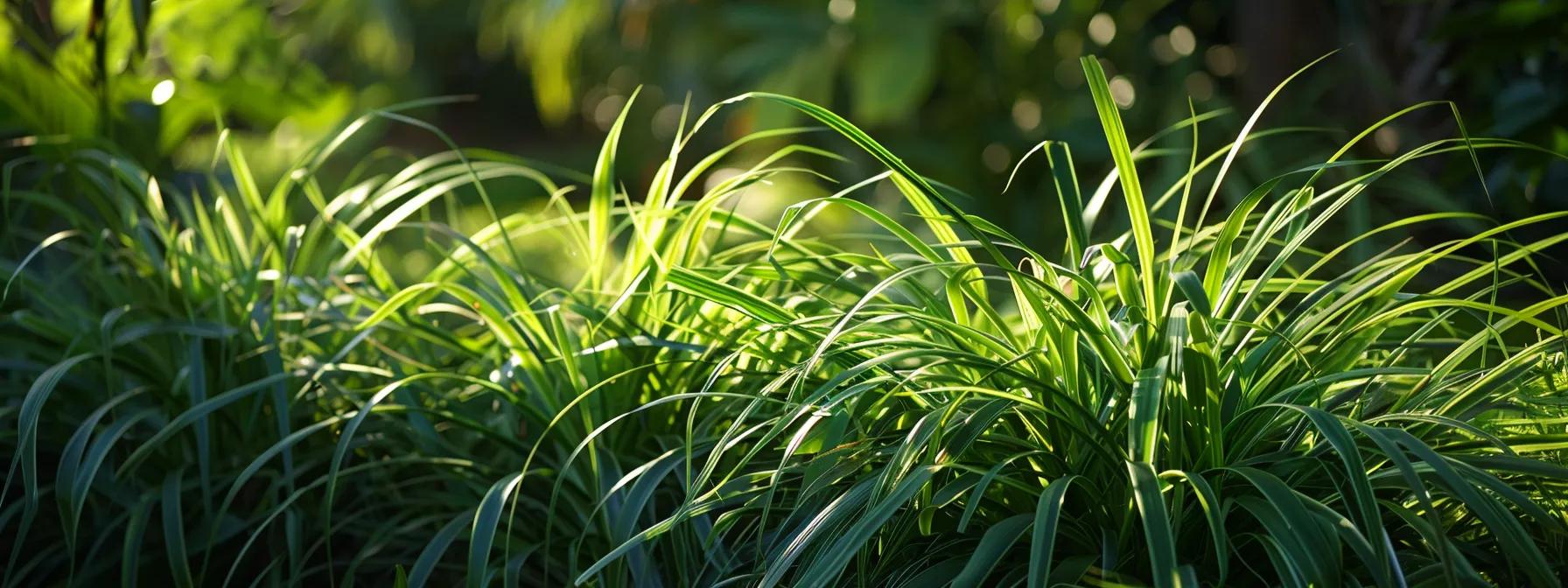
Are you struggling to find the right grass for your sunny yard? The success of your lawn often hinges on selecting the optimal grass types tailored to your specific conditions. In this article, you’ll discover the best cool-season and warm-season grasses for sunny areas, ideal soil conditions, and effective watering strategies. Following this guidance will teach you to create a thriving lawn that withstands disease and thrives under the sun. Understanding grass hardiness and soil needs is essential for maintaining a vibrant, healthy lawn that meets your landscaping goals.
Key Takeaways
- Kentucky Bluegrass thrives in nutrient-rich soil and benefits from routine soil testing
- Tall Fescue resists heat and foot traffic while requiring less chemical treatment
- Perennial Ryegrass establishes quickly and adapts well to varying light conditions
- Proper soil preparation enhances grass growth by improving drainage and nutrient absorption
- Regular watering and fertilization schedules are key to maintaining lawn health throughout the seasons
Best Cool-Season Grasses for Sunny Areas

When selecting the best cool-season grasses for sunny areas, understanding the unique qualities of each type is key. Kentucky Bluegrass offers a lush appearance and rich color. Perennial Ryegrass is established quickly and thrives in sunny spots. Tall Fescue, or festuca arundinacea, boasts resilience against heat and drought. Fine Fescue shows tolerance to shade while maintaining beauty in your landscape. These options provide diverse benefits to enhance your lawn, regardless of whether you are in Central Florida or another region.
Characteristics of Kentucky Bluegrass
Kentucky Bluegrass is a top choice for sunny areas due to its vibrant green color and lush, dense growth. This cultivar thrives with optimal soil fertility, making routine soil tests beneficial to ensure it receives the necessary nutrients. While it is moderately resistant to drought, maintaining adequate moisture will promote a healthier lawn and better recovery during dry spells.
Benefits of Perennial Ryegrass
Perennial Ryegrass is an excellent choice for sunny areas due to its rapid germination, allowing you to establish a lush lawn quickly. This grass typically emerges within 5 to 10 days and can grow up to 3 inches tall, providing a vibrant green cover that enhances your landscape. With its good shade tolerance, Perennial Ryegrass can adapt well to transitional areas in your yard, making it a versatile option amidst varying light conditions. Regular irrigation helps maintain its health, while its resilience makes it suitable for areas frequented by mowers and other lawn equipment.
The Resilience of Tall Fescue
Tall Fescue, or Festuca arundinacea, is a robust choice for sunny yards due to its exceptional resilience against heat and drought conditions. This grass maintains a dense turf that can withstand wear from foot traffic and equipment, making it ideal for active landscapes. Additionally, its natural resistance to common insects can help reduce the need for chemical treatments, allowing you to maintain a healthy yard without excessive intervention. Whether you’re considering transitioning from Bermuda grass or looking to enhance the density of your lawn, Tall Fescue proves to be a versatile option for your outdoor space.
Growth Patterns of Fine Fescue
Fine Fescue grasses, known for their fine texture and versatility, thrive well in various soil types and climates, making them an ideal choice for sunny yards. With an impressive drought tolerance, this grass can adapt to less frequent watering while maintaining its lush appearance. It performs best in cooler temperatures and well-drained soils, allowing you to create a vibrant lawn alongside other species like Kentucky Bluegrass or Centipede grass:
- Thrives in various soil types.
- Excellent choice for cooler climates.
- Impressive drought tolerance, minimizing watering needs.
- Pairs well with other grasses like lolium and Centipede.
Top Warm-Season Grasses for Sunny Lawns

When selecting warm-season grasses for sunny lawns, consider the features and benefits of various species. Bermuda grass is known for its vigorous growth and ability to provide an effective groundcover in bright sunlight. Zoysia grass offers a dense, carpet-like texture, making it an attractive option. Buffalograss is valued for its drought resistance, while Centipede grass requires minimal maintenance, making it perfect for those who prefer low upkeep. Each of these grasses brings unique advantages and insights into creating a thriving outdoor space.
Features of Bermuda Grass
Bermuda grass stands out for its vigorous growth and adaptability to sunny environments, making it a preferred choice for landscape design in many regions. Its dense and robust turf provides excellent groundcover, effectively outcompeting weeds and minimizing pest issues. When considering seeding options, you might explore how varieties of Poa pratensis, like Kentucky Bluegrass, compare to Bermuda in various climates, but Bermuda‘s heat tolerance and drought resistance make it ideal for sunny lawns.
Advantages of Zoysia Grass
Zoysia grass is an excellent choice for sunny lawns across North America, known for its impressive resilience and adaptability in various hardiness zones. Its thick leaf structure allows it to effectively outcompete weeds, reducing the reliance on herbicides, which can save you money and promote a healthier environment. When choosing sod, Zoysia offers a lush, carpet-like texture that enhances your outdoor garden, providing both beauty and durability.
Comparison With Buffalograss
When considering Buffalograss for sunny lawns, it’s important to recognize its unique advantages compared to other warm-season grasses like Bermuda and Zoysia. Buffalograss is particularly known for its resilience to drought and minimal maintenance requirements, making it ideal for areas expecting wear from foot traffic. Additionally, incorporating compost can enhance the soil quality, maximizing the health of your Buffalograss while supporting its growth as a perennial, ensuring a lush lawn year-round without excessive upkeep.
Maintenance Needs of Centipede Grass
Centipede grass is known for its low maintenance needs, making it an excellent choice for homeowners seeking a hassle-free lawn. It requires infrequent mowing and minimal fertilization, thriving in acidic soil conditions. To keep your Centipede grass healthy, focus on watering during dry spells and avoid excessive fertilizer, as this can promote unwanted growth and pests.
- Requires infrequent mowing and minimal fertilization.
- Thrives in acidic soil conditions.
- Water during dry spells for optimal health.
- Avoid excessive nitrogen to prevent pest issues.
Ideal Soil Conditions for Grass Growth in Sunny Yards

Ideal Soil Conditions for Grass Growth in Sunny Yards
Understanding optimal soil conditions is essential for maintaining healthy grass in sunny yards. You will explore the importance of soil pH levels, how proper drainage contributes to grass health, and the nutrient requirements specific to various grass types. Tips for effective soil preparation will also be provided to ensure your outdoor space flourishes. Visit our lawn care page for more information.
Understanding Soil pH Levels
Understanding soil pH levels is crucial for fostering healthy grass growth in sunny yards. Most grasses thrive in slightly acidic to neutral soils, with an ideal pH range between 6.0 and 7.0. Regular testing of your soil can help you determine its pH level and allow you to make necessary adjustments, such as adding lime to raise pH or sulfur to lower it, ensuring optimal growing conditions for your chosen grass types.
The Role of Drainage in Grass Health
Effective drainage is crucial for maintaining healthy grass in sunny yards. When water does not drain well, it can lead to root rot and promote diseases that hinder grass growth. To promote proper drainage, ensure your lawn has a slight slope, and consider incorporating sand or organic matter into your soil, which will improve its structure and facilitate water flow, allowing your grass to thrive under the sun.
Nutrient Requirements for Different Grass Types
Each grass type has distinct nutrient requirements that are essential for optimal growth in sunny yards. For instance, Kentucky Bluegrass typically thrives in nitrogen-rich soils, while Tall Fescue prefers a balanced supply of nutrients. Understanding these specific needs allows you to tailor your lawn care practices, ensuring your chosen grass type receives the right nutrition for vibrant and healthy growth.
Tips for Soil Preparation
Proper soil preparation is fundamental for establishing optimal grass types in sunny yards. Start by clearing the area of debris, weeds, and any old grass to create a clean slate for your new lawn. After that, aerate your soil to improve drainage and boost nutrient absorption, ensuring a healthy environment for growth.
Watering and Irrigation Strategies
Watering and Irrigation Strategies
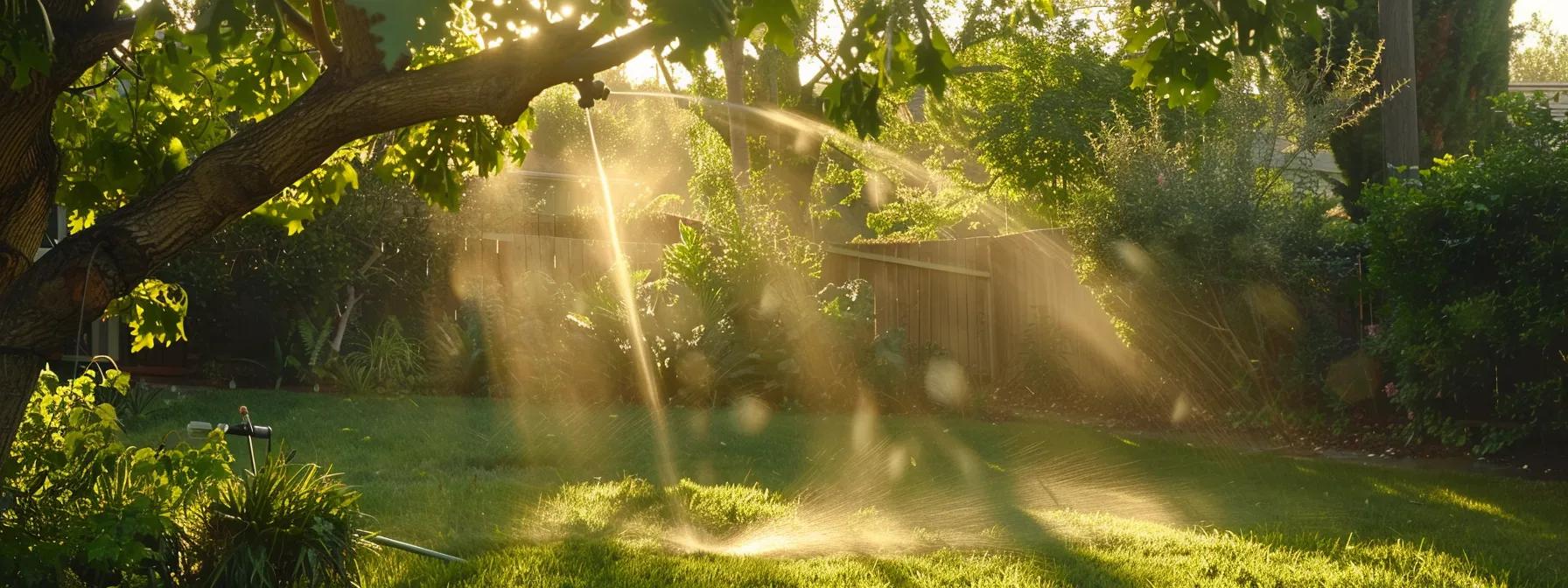
Establishing the right watering routine is crucial for the health of your sunny yard. You will learn about optimal watering frequencies to keep your grass thriving in bright conditions, techniques for efficient water usage to conserve resources, and how to recognize signs of overwatering and underwatering. Additionally, you will discover best practices for installing irrigation systems that support your lawn care goals.
Optimal Watering Frequencies in Sunny Conditions
To keep your sunny yard thriving, it’s vital to establish an effective watering routine. Generally, grass types like Kentucky Bluegrass and Bermuda grass require about 1 to 1.5 inches of water per week, delivered in one or two sessions for optimal growth. Observe your lawn’s condition regularly to adjust your watering frequency, as factors such as heat, soil type, and grass variety can influence how often you need to water, ensuring your outdoor space remains lush and healthy throughout the season.
Techniques for Efficient Water Usage
To enhance water efficiency in your sunny yard, consider implementing a deep and infrequent watering strategy. This approach encourages strong root development, allowing grass types like Festuca and Kentucky Bluegrass to better withstand dry spells. Additionally, early morning irrigation minimizes evaporation loss, ensuring that your lawn receives the full benefit of each watering session.
Signs of Overwatering and Underwatering
Recognizing the signs of overwatering and underwatering is essential for maintaining healthy grass in your sunny yard. Overwatered grass may exhibit a yellowish hue, with the soil appearing soggy and lacking drainage, which can lead to root rot. Conversely, underwatered grass will become brown and dry, with potential patches showing signs of wilting. Monitoring your lawn regularly allows you to adjust your watering routine, ensuring your chosen grass types receive the optimal moisture they need for robust growth.
Best Practices for Irrigation System Installation
For effective irrigation system installation in sunny yards, consider the specific needs of your grass types and the layout of your landscape. Start by mapping out your yard to identify areas that require more or less water, ensuring that your irrigation system targets these zones accurately. Utilize drip irrigation for gardens or shrubs, as this method conserves water and delivers moisture directly to the roots, promoting healthier grass and plants. Regularly check and maintain your system to prevent leaks and inefficiencies, which can help you achieve a vibrant lawn while saving resources.
Common Pests and Diseases Affecting Grass in Sunny Areas

Identifying grassy weeds is the first step in maintaining a healthy lawn in sunny areas. You will learn effective pest control methods that help minimize damage to your grass. Additionally, preventative measures for fungal diseases are essential for long-term lawn health. Lastly, exploring organic solutions can enhance grass vitality while promoting environmentally-friendly practices. Each topic offers valuable insights to keep your sunny yard thriving.
Identification of Grassy Weeds
Identifying grassy weeds in your lawn is vital for maintaining the health of your grass in sunny areas. Common weeds, such as poa pratensis and quackgrass, often emerge in sunny spots, competing with your desired grass types for nutrients and water. Being able to recognize these invasive plants will enable you to take swift action to minimize their impact and preserve the beauty of your outdoor space:
Effective Pest Control Methods
To effectively manage common pests in your sunny yard, start by regularly monitoring your lawn for signs of infestation, such as discolored patches or unusual growth patterns. Applying targeted treatments, such as organic insecticides or natural repellents, can significantly reduce pest populations without harming beneficial insects. Additionally, maintaining the overall health of your grass through proper watering and fertilization promotes resilience against pests, allowing your lawn to thrive while minimizing damage.
Preventative Measures for Fungal Diseases
To prevent fungal diseases in your sunny yard, focus on maintaining proper moisture levels and ensuring adequate air circulation around your grass. Avoid watering in the evening, as this can leave grass blades damp overnight, creating an ideal environment for fungal growth. Additionally, regularly mowing your lawn at the recommended height allows sunlight to penetrate better, minimizing shade in areas that are prone to fungus.
Organic Solutions for Grass Health
To promote grass health in sunny areas, you can explore organic solutions that enhance resilience against pests and diseases. Utilizing neem oil as a natural insect repellent can effectively deter harmful pests while being safe for beneficial insects. Additionally, introducing beneficial nematodes into your soil can target harmful larvae, helping to maintain a healthy lawn without synthetic chemicals. These practices not only support a vibrant lawn but also align with sustainable gardening principles, ensuring your sunny yard thrives while protecting the environment.
Seasonal Maintenance Tips for Sunny Lawns

Understanding seasonal maintenance tips is essential for keeping your sunny lawn healthy and thriving. You will learn about the best times for aeration to enhance root growth, effective overseeding techniques for boosting resilience, and proper fertilization schedules that support optimal growth. Preparing your lawn for summer heat ensures it remains lush and vibrant throughout the hot months.
Best Times for Aeration
Timing aeration is key to promoting robust grass growth in sunny yards. The best times for aeration typically fall in early spring or early fall, when your grass is actively growing. This approach allows nutrients, air, and water to reach the root zone effectively, enhancing the overall health of your lawn.
Overseeding Techniques for Resilience
Overseeding is a valuable technique to enhance the resilience of your sunny lawn, particularly as the seasons change. Introducing fresh grass seed into your lawn can improve density and fill in bare patches, ensuring your yard remains lush and vibrant. For optimal results, aim to overseed during the early spring or early fall, when temperatures are moderate, allowing the new grass species to establish before summer heat or winter dormancy sets in.
Fertilization Schedules for Optimal Growth
Establishing a fertilization schedule ensures optimal growth in your sunny lawn. For cool-season grasses like Kentucky Bluegrass and Tall Fescue, you should aim to apply fertilizer in early spring and again in early fall to support healthy development throughout the growing seasons. In contrast, warm-season grasses such as Bermuda benefit most from fertilization in late spring or early summer, aligning with their peak growth periods, which helps maintain a lush and vibrant appearance during summer heat.
Preparing Your Lawn for Summer Heat
Preparing your lawn for summer heat involves strategic practices to ensure optimal grass health during high temperatures. Begin by ensuring your selected grass type, such as Bermuda or Kentucky Bluegrass, is adequately hydrated. Implement deep watering techniques, providing about 1 to 1.5 inches of water per week in one or two sessions. Additionally, avoid mowing too short; maintaining a slightly higher blade height can help the grass retain moisture and protect against stress. Regularly monitor your lawn’s condition and adjust your care routine as necessary:
- Water adequately to prevent drought stress.
- Maintain proper blade height to retain moisture.
- Monitor grass health and adjust care practices accordingly.
Conclusion
Choosing the right grass type is crucial for achieving a healthy and vibrant lawn in sunny areas. Cool-season grasses like Kentucky Bluegrass and Tall Fescue provide resilience and aesthetic appeal, while warm-season options like Bermuda and Zoysia offer robust growth under bright sunlight. Proper soil conditions, effective watering strategies, and seasonal maintenance practices enhance grass health and longevity. By understanding these elements, you can cultivate a thriving outdoor space that endures the challenges of sunny environments.